Pizza Franchise in Qatar: How Dodo Pizza Is Growing
How Dodo Pizza Is Growing in Qatar
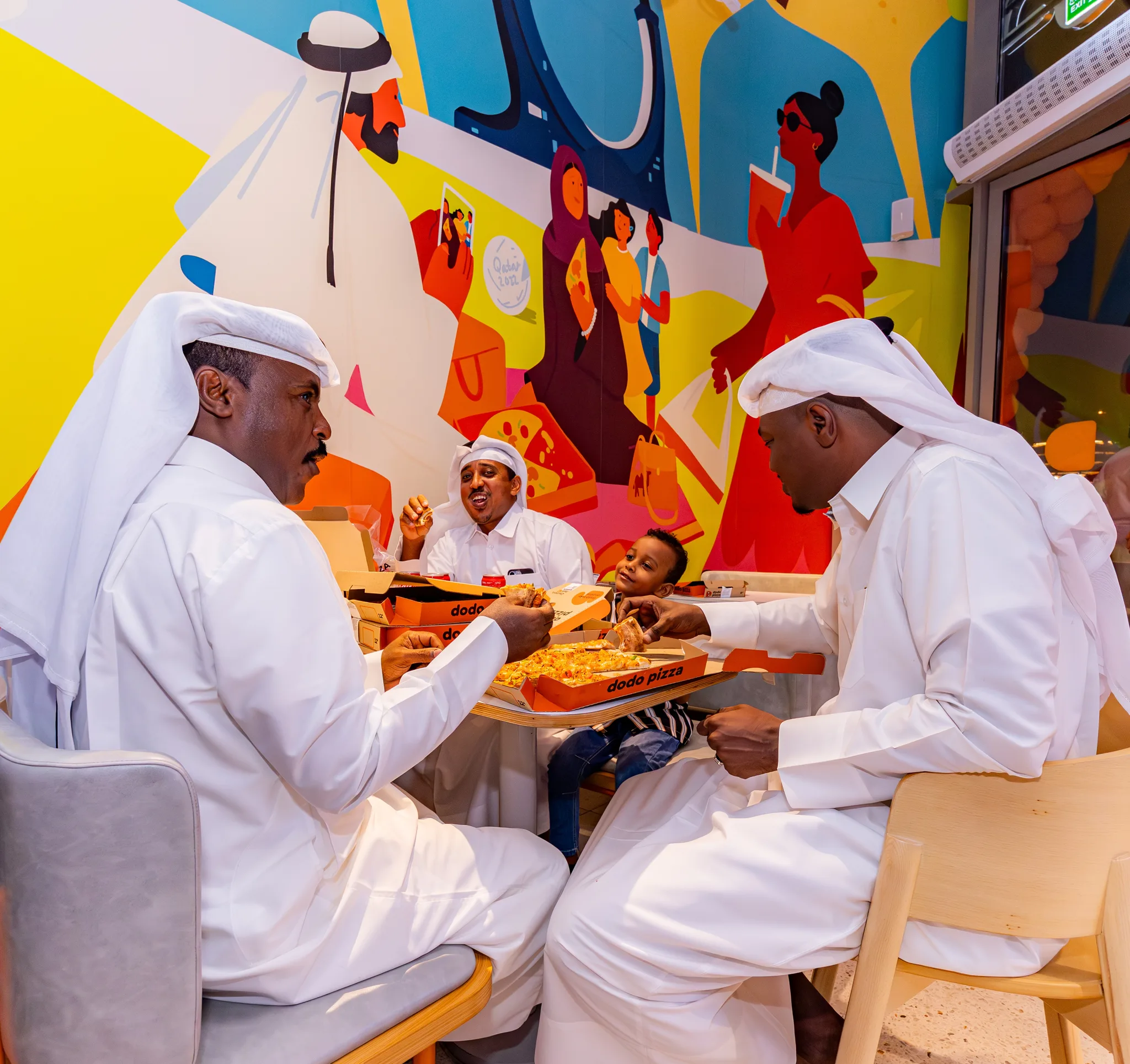
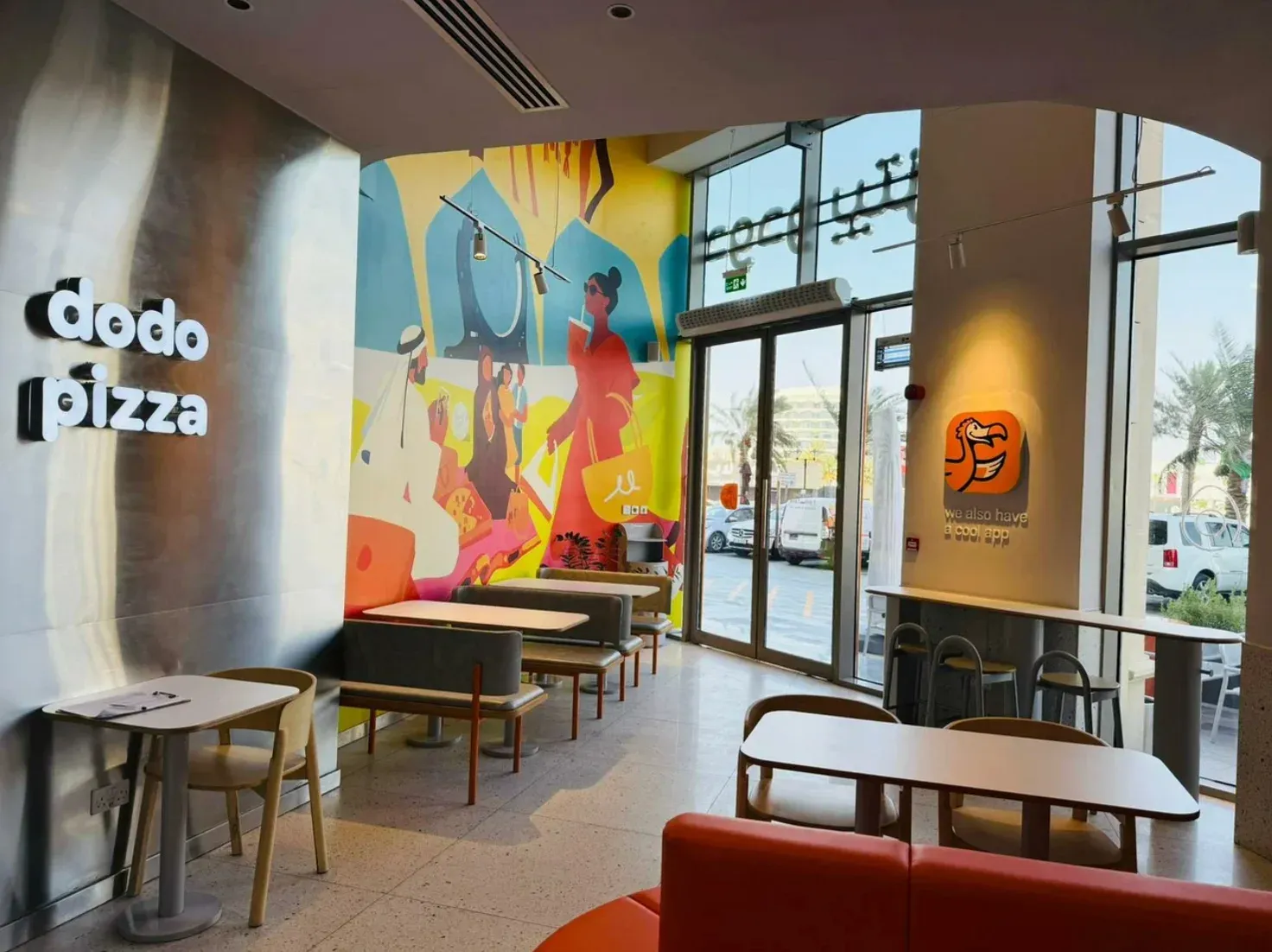
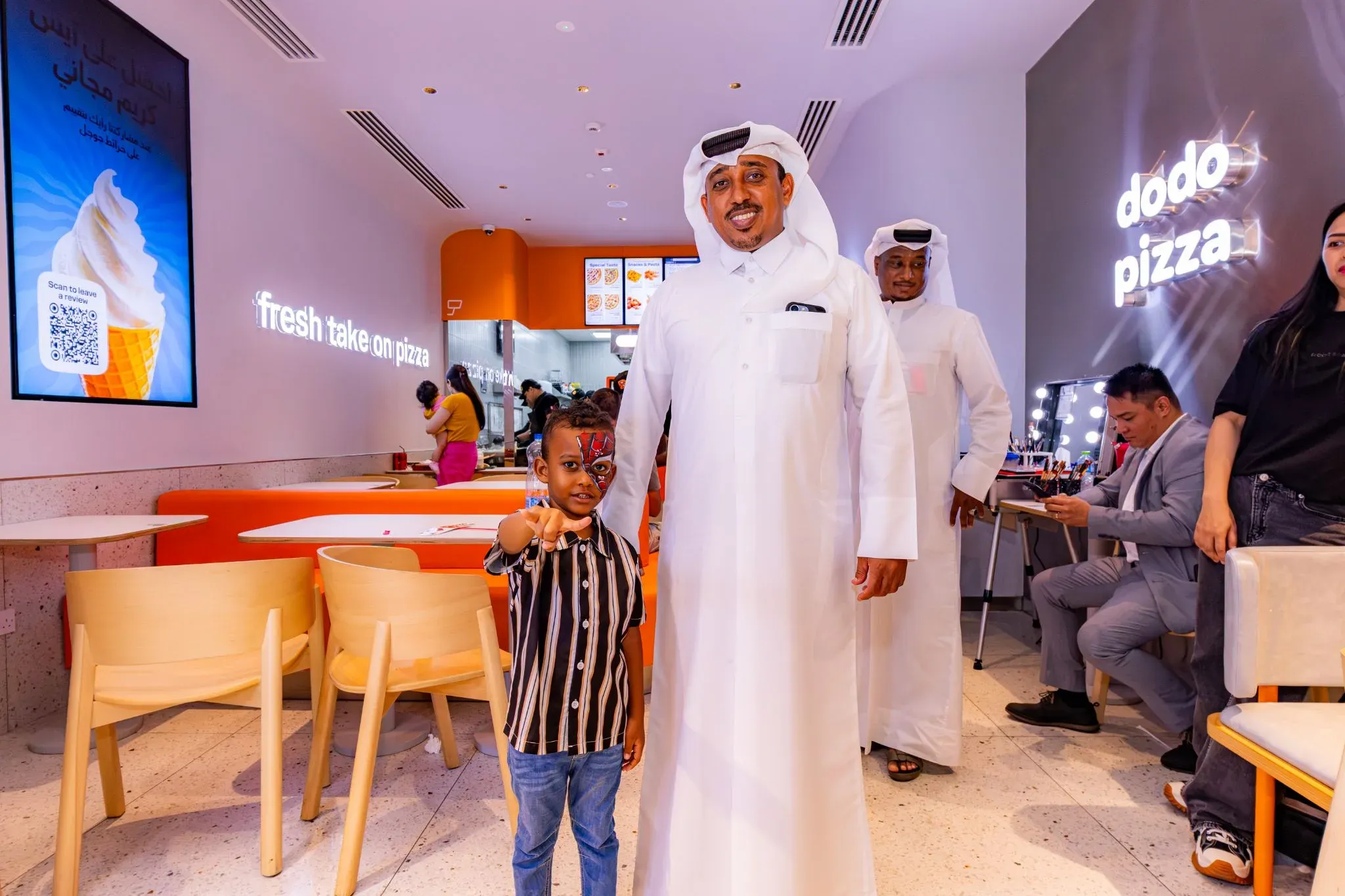
Dodo Pizza has opened its third pizzeria in Qatar. Doha 3 is a full-service restaurant with a dedicated kids’ play area, located on the ground floor of a busy shopping mall — a different format from the brand’s first restaurant in the heart of Doha, which opened in May 2025, and its second location, a compact delivery-and-aggregator-only store that launched in February 2026.
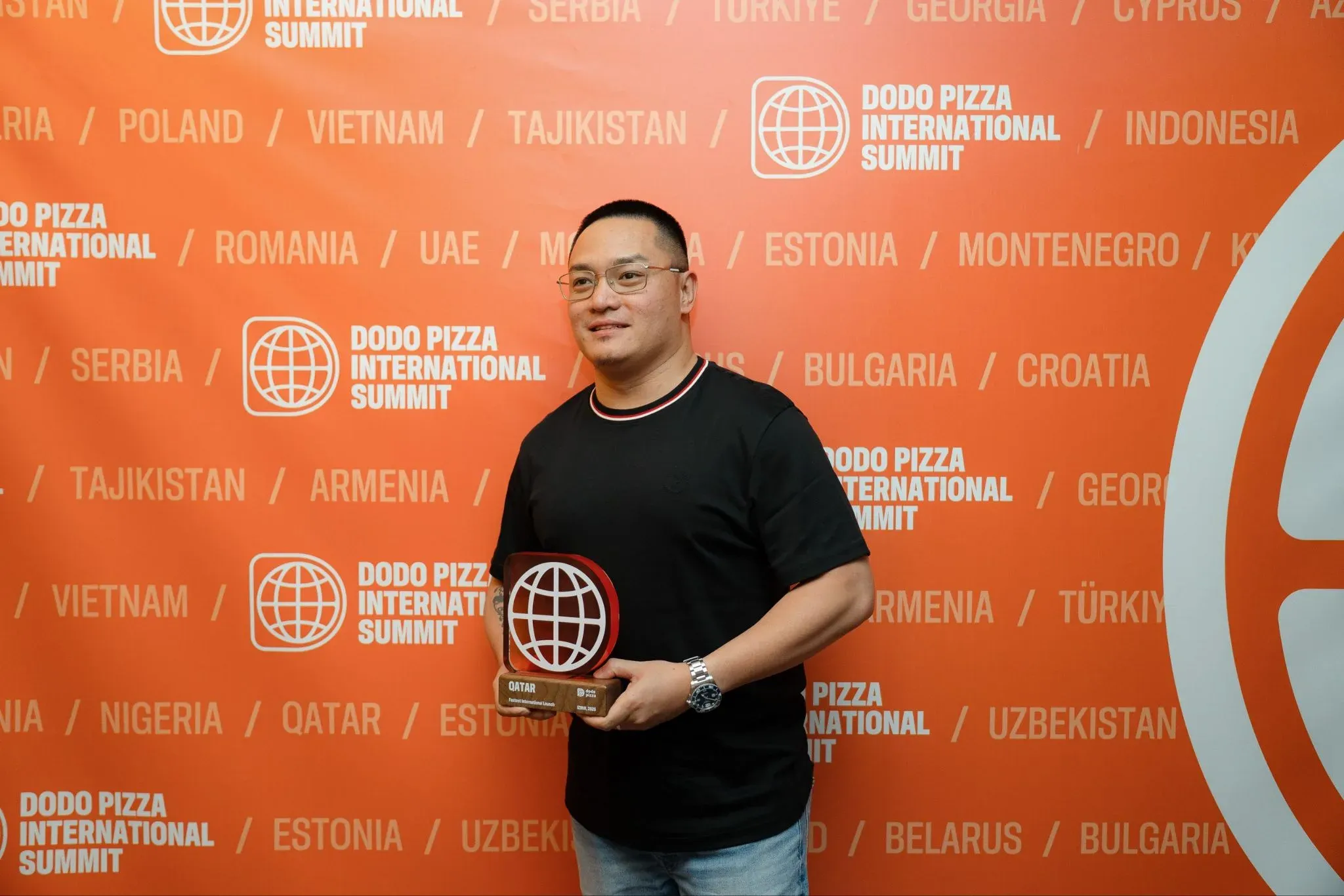
To mark the milestone, Dodo Pizza spoke with Jay-ar Bagamasbad, Head of Operations, Dodo Pizza Qatar (on the partner side — SBR Holding), about demand and competition in the local pizza market, how the approach to opening locations has changed, and where the network is headed next.
How would you assess the current demand and competition for pizza in Qatar?
Jay-ar Bagamasbad: “I see a lot of potential for Dodo Pizza in Qatar, but I believe the key is to grow in a controlled and sustainable way. Qatar is a relatively compact market, which gives us an advantage because we can build strong operational coverage without having to spread the network too thin.”
With three pizzerias now open in the city, how has your approach changed from the first one to this one?
Jay-ar Bagamasbad: “The biggest change has been that we are no longer operating with the mindset of opening our first restaurant. With the first location, our priority was to establish Dodo Pizza in Qatar, understand the customer, build the team, establish our operating standards and prove that the concept could work locally.
With the second location, we started thinking much more about scalability and how different store formats could serve different customer needs. We tested a more compact, delivery and aggregator-focused model, which gave us valuable insight into how we can expand efficiently.
By the time we reached the third location, our approach had become much more data-driven. We were looking not only at where to open, but also at the catchment area, customer profile, delivery potential, footfall, dine-in demand and how the location complements our existing network.
So, compared with the first store, we are now building a network rather than simply opening restaurants. Each location has a specific role, but they all need to deliver the same Dodo Pizza standards and customer experience.“
How do you see the network’s future growth in this territory?
Jay-ar Bagamasbad: “Our next stage is really about understanding where the demand is coming from and building the right mix of locations and formats around it. That could include larger dine-in restaurants in high-footfall areas, more compact delivery-focused locations, and potentially other formats depending on the catchment and customer profile.
For me, successful expansion is not simply about the number of stores. It is about building a network where each location performs well, supports the surrounding market and maintains the same product and service standards.
If we continue to combine local market knowledge with Dodo Pizza’s operating model and technology, I believe Qatar can become a strong and scalable market for the brand.“
How does Dodo Pizza compare to competitors — where do you feel the brand’s biggest advantage lies?
Jay-ar Bagamasbad: “For me, Dodo Pizza’s biggest advantage is that it is not only a pizza brand; it is a technology-driven and operationally focused restaurant business.
In Qatar, we are competing with brands that may have been in the market for many years, so we cannot rely simply on being an international brand. We have to create a reason for customers to choose us.
What differentiates Dodo for me is the combination of product quality, operational consistency, technology, data and transparency. The Dodo model gives us a very strong operating foundation, while still allowing us to adapt to the local market.
From my experience operating the brand in Qatar, I also see a major advantage in the ability to learn quickly. We can look at customer behavior, delivery performance, product performance and store-level data, and use that information to continuously improve the operation.
Ultimately, I think our biggest advantage is our ability to combine the personality and innovation of a modern pizza brand with the discipline and scalability of a strong operating system.“
Author

Anush Dolukhanyan
Editor-in-Chief