45% of Orders Through Kiosks: How Dodo Brands Built Self-Service Into Its Franchise System
45% of Orders Through Kiosks: How Dodo Pizza and Drinkit Turned Self-Service Into a Growth Engine
Guest behavior in QSR is changing. People still value human advice, but more and more often they want speed, autonomy, and a clear ordering flow without waiting in line.
At Dodo Brands, kiosks were never introduced as a technological experiment. They became part of a broader operating system: a way to improve the guest journey, reduce operational pressure, and give franchisees a ready-made solution that has already been tested across markets.
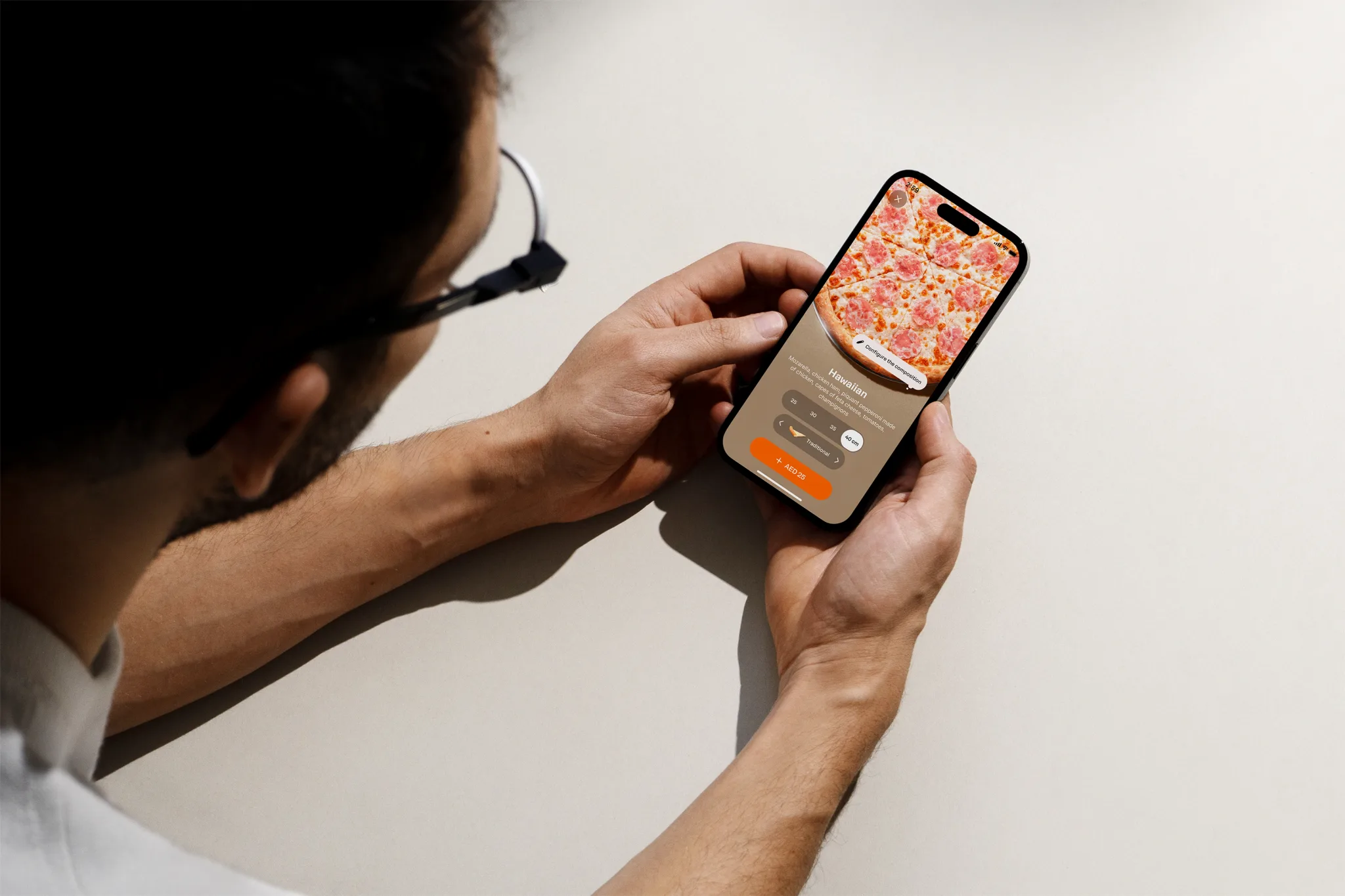
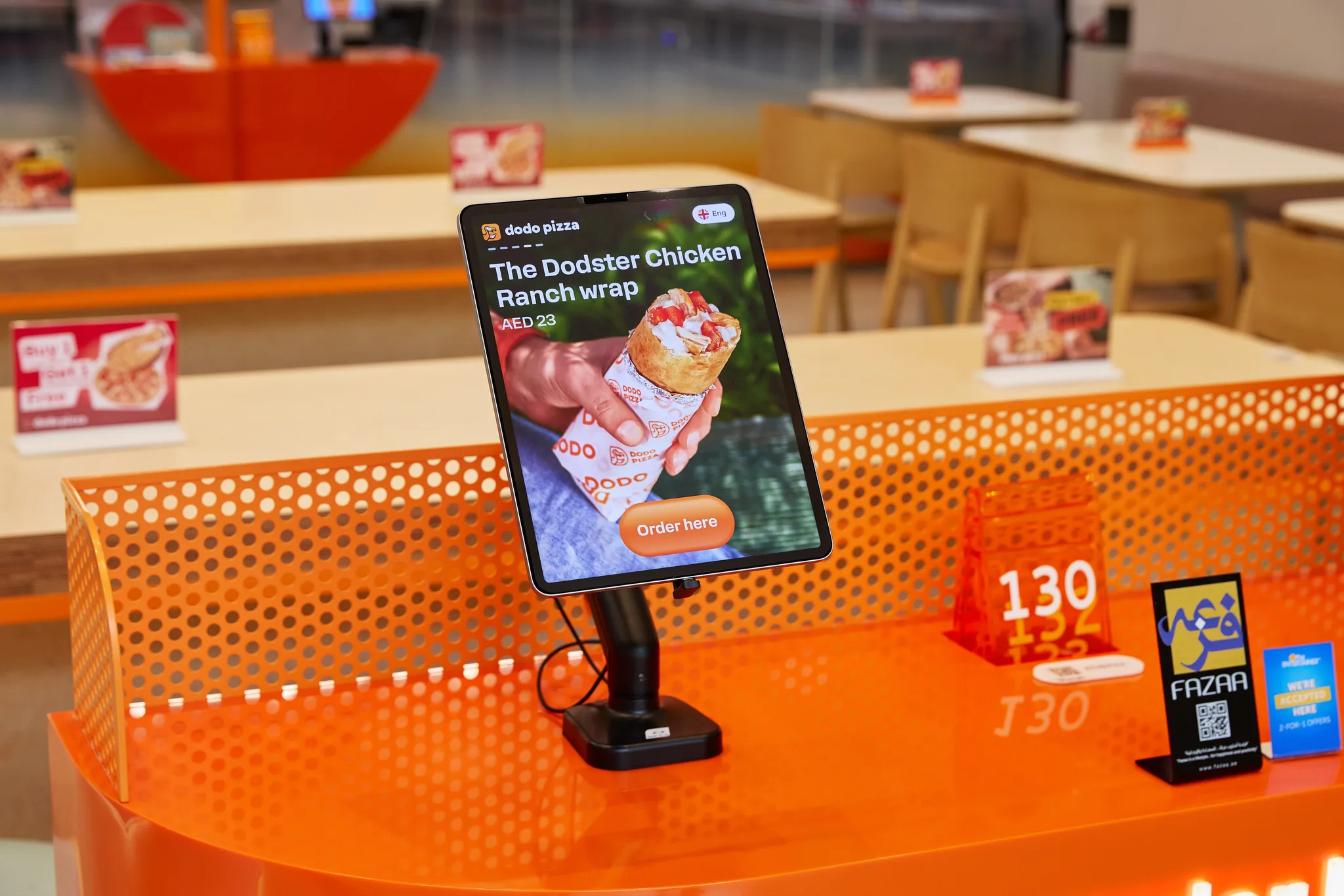
Today, 45% of in-store orders across Dodo Brands go through kiosks. Behind that number are several years of research, product development, and real-life testing across Dodo Pizza and Drinkit.
What matters is not only whether guests like kiosks, but how kiosks change the business behind the order.
Why Guests Choose Different Channels
To understand guest behavior, Dodo Brands combined field observations in restaurants, a survey of 3,000 in-restaurant guests, and behavioral analytics on channel usage and app adoption.
The research showed that each channel has its own role.
The counter remains important when guests want human advice. According to the study, 38% of guests choose the counter for that reason. The app works best for those who already know the brand and want visible discounts. Kiosks sit between the two: they are fast, easy to access, and do not require guests to download anything before ordering.
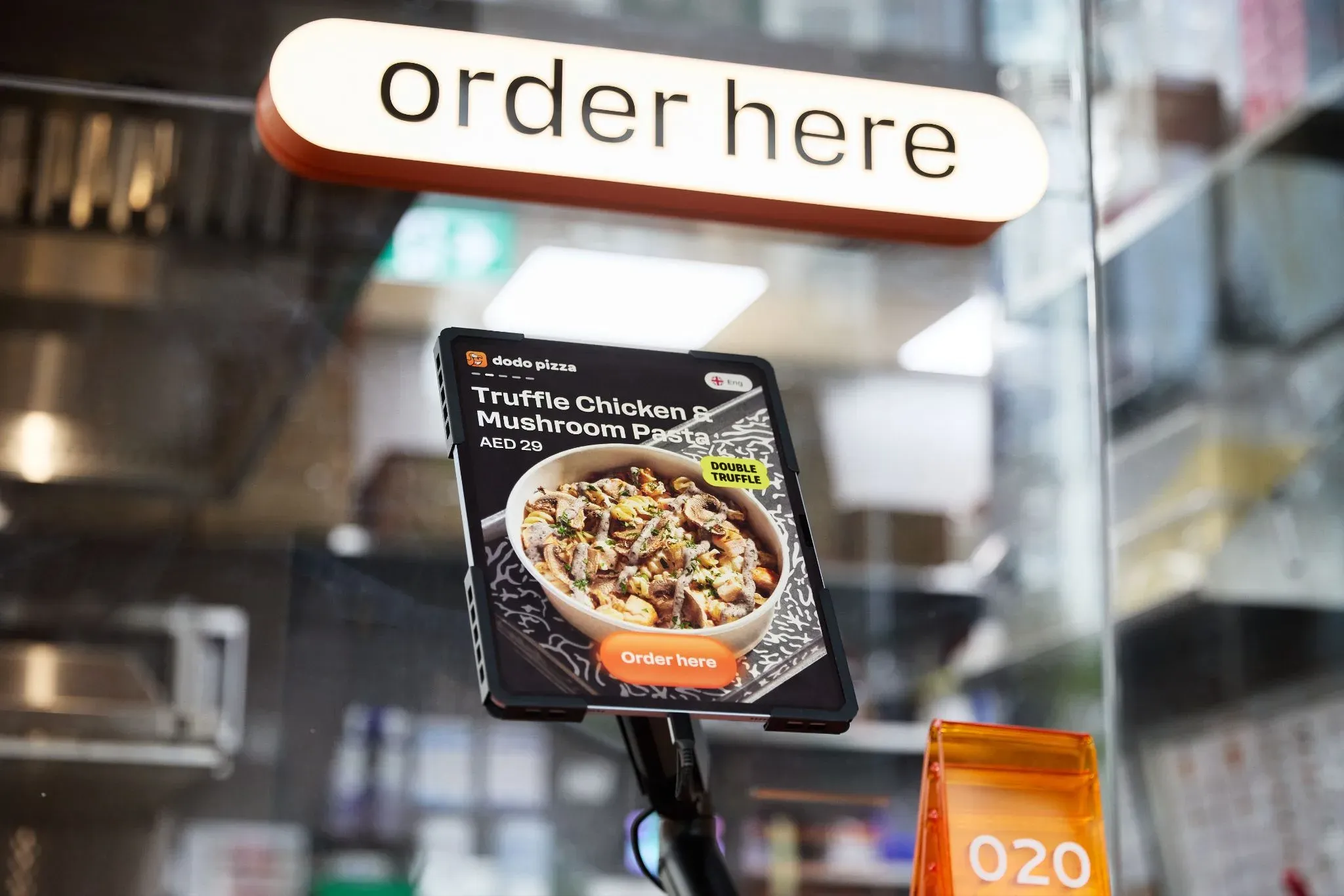
Guests choose kiosks mainly for two reasons: autonomy and speed, with 39% citing each. In practice, this means they want to set their own pace, browse the menu with images, and add items without feeling rushed. That freedom changes how people order.
What Changes in Business Metrics
The first visible effect is average check.
Across Dodo Brands, kiosk average check is 35% higher than counter average check. The increase comes from a more comfortable ordering flow and recommendations shown consistently.
The upsell system has two layers. First, an ML model calculates what to suggest based on the guest’s basket. If the model does not respond, fallback logic is activated. For example, if there is no dessert in the basket, the system can suggest one. If a drink has been ordered, it can offer a snack.
As Olga Arbuzova, Product Manager Kiosks at Dodo Brands, explains: “We don’t have human error at all. There’s ML upsell, and it’s done very well now. Either the ML calculates what to show, or we have manual logical recommendations as a backup. We ran A/B tests before launching this and saw that upsell lifted the average check too.”
The second metric is items per ticket. Kiosk orders include 2.8 items on average, compared with 2.5 at the counter. In a single order, the difference looks small. Across thousands of orders every week, it becomes meaningful.
The third metric is customer identification. At the counter, 41% of guests provide their loyalty number. At kiosks, the figure reaches 70%.
The reason is simple: guests are more comfortable typing their phone number privately than saying it aloud to a stranger in a queue. For the business, this 29-percentage-point gap means a larger addressable customer base, cleaner data, stronger personalization, and better retention mechanics.
Kiosks also influence the wider digital mix. Over two years, as kiosk share grew, mobile app share rose by 14 percentage points as well. This matters because it shows that kiosks can help guests become more comfortable with digital ordering instead of simply shifting orders from one digital channel to another.
What This Means for Franchisees
For franchisees, the value of kiosks is not limited to the guest experience. The format also changes operations.
Routine order-taking consumes a large share of cashier capacity. When kiosks take over part of that flow, staff can spend more time on drinks, dine-in atmosphere, guest support, and preparation.
Olga Arbuzova puts it this way: “When kiosks appeared, it clearly unloaded the staff. Cashiers now focus on drinks, on guests, on the dine-in atmosphere, instead of 80% of their time going to order-taking.”
In high-wage markets, this affects the P&L more directly. Kiosks help reduce pressure on staffing and allow teams to use people where human attention matters most.
In emerging markets, the benefit is slightly different. Partners still need a trained team, of course. But kiosks reduce the operational load tied to cashier staffing from the first day, which makes launch preparation easier and the ordering flow more standardized.
Designed for Flow, Not Just Installed
A kiosk is only useful when it is placed, integrated, and managed correctly. That is why Dodo Brands treats kiosks as part of the operating infrastructure.
The company has a calculator for how many kiosks a location needs based on peak-hour demand, acceptable wait time, and average order duration. There are also placement guidelines covering sightlines, spacing, and positioning relative to counters and pickup areas. Every recommendation comes from operational data.
Partners also receive a system that adapts to local conditions. Dodo Brands’ kiosk solution runs across Windows, Android, and iOS, giving flexibility depending on local hardware and payment infrastructure. Pre-built integrations with local banks and fiscal systems reduce the need for custom development from the partner.
Real-time analytics through Dodo Dashboard give visibility into channel mix, average check, customer identification rates, and performance from day one. Local requirements, from receipt fields to payment methods and menu categories, are handled centrally without breaking the global experience.
One Infrastructure, Two Guest Journeys
Dodo Pizza and Drinkit use the same kiosk infrastructure in different ways.
For Dodo Pizza, kiosks help redistribute demand during peak hours. The counter stays visible and useful for guests who need advice or want to pay in cash, while kiosks serve those who prefer speed and autonomy. The result is a smoother in-store flow, shorter queues, higher identification rates, and staff who can focus more on hospitality.
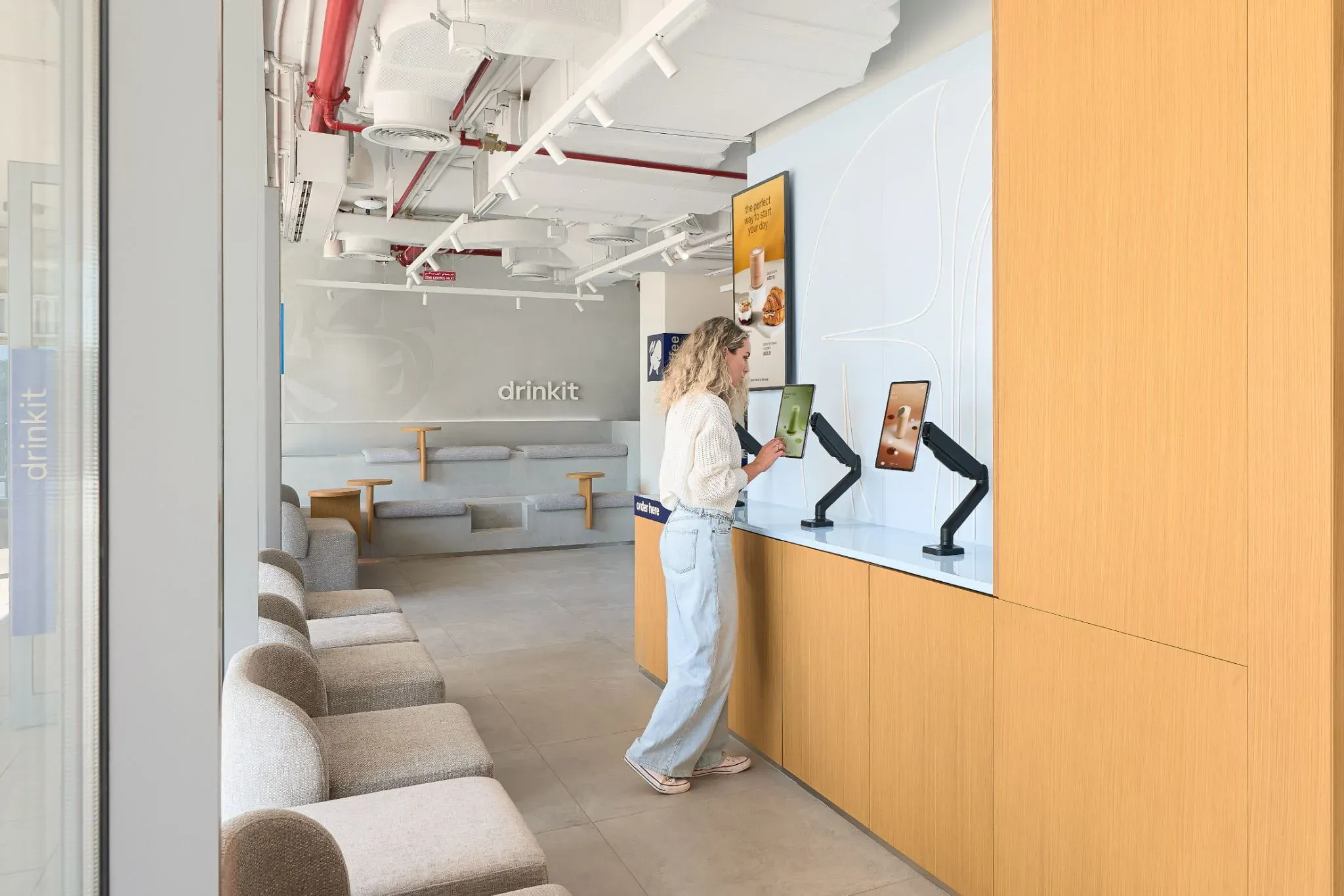
For Drinkit, the model is more digital-first. In Dubai, 97% of Drinkit orders are digital. The cashierless format is part of the experience itself, and kiosks support a faster, more autonomous guest journey.

Katya Borodich, CEO of Drinkit UAE, describes the effect clearly: “Guests who try Drinkit a few times, when they go to other major global players and stand in line to order, then wait in line to pick up, they think: why am I wasting my life on these queues?”
Once guests get used to a faster flow, slower formats start to feel different.
The Competitive Edge
For Dodo Brands, kiosks are not only a service channel. They are also a differentiator in markets where the brand is still building recognition.
In Türkiye, Croatia, and the UAE, kiosks outperform even mobile apps on average check. This makes the format an entry point for new customers discovering the brand.
The advantage is especially important against legacy players built around counter-centric ordering. A smoother self-service experience can become part of the reason guests return, because it changes what they expect from a QSR visit.
For franchisees, this means they do not start with a blank page. They receive tested infrastructure, ready-made operational logic, integration support, analytics, and placement recommendations. Instead of solving the ordering experience store by store, they can focus on site selection, market positioning, construction timelines, and growth planning.
What the Guest Satisfaction Numbers Say
After 28,000+ ratings collected across kiosk interactions, the score sits at 4.85–4.9 out of 5. Of those, 93.5% are five stars.
High conversion matters. Sustained satisfaction matters even more.
Starting With the Right System
Dodo Brands has tested this kiosk model across 19 countries, from Dubai to Serbia, from high-wage markets to emerging ones.
The result is not a collection of tools for partners to assemble themselves. It is a working system designed to improve guest experience, support stronger business metrics, and simplify operations from the first stages of launch.
The “how to take an order” question has already been solved.
For franchisees, the more important question becomes how fast the business can grow with the right infrastructure in place.
Author

Anush Dolukhanyan
Editor-in-Chief