QSR Mobile App: Why Chains Still Need Their Own Platform in the Era of Aggregators
QSR Mobile App: Why Chains Still Need Their Own Platform in the Era of Aggregators
Discover why every QSR chain needs its own mobile app. Learn the benefits of a restaurant loyalty app, how to increase customer retention, and why building a restaurant app is a long-term growth strategy.
The Aggregator Trap: High Fees & Lost Customer Relationships
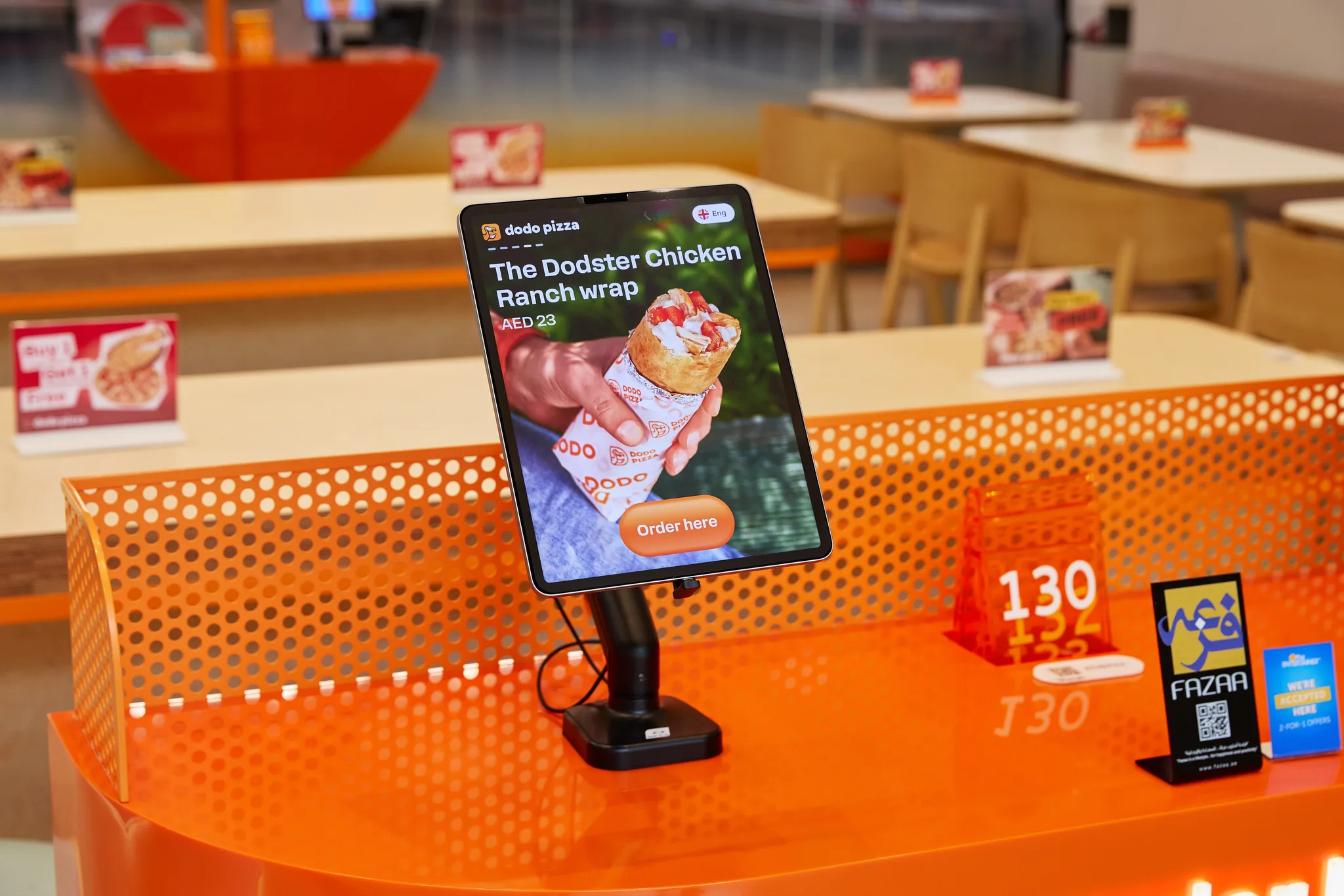
It may seem that a quick service restaurant can thrive without its own app by relying solely on food delivery aggregation platforms. After all, working with players like DoorDash or Uber Eats provides immediate access to customers.
But here’s the catch: the aggregator owns the customer relationship, not the brand. Restaurants face high commission fees, often 25–30%, while losing the chance to directly build loyalty and collect meaningful customer data.
The Real Value of a QSR Mobile App
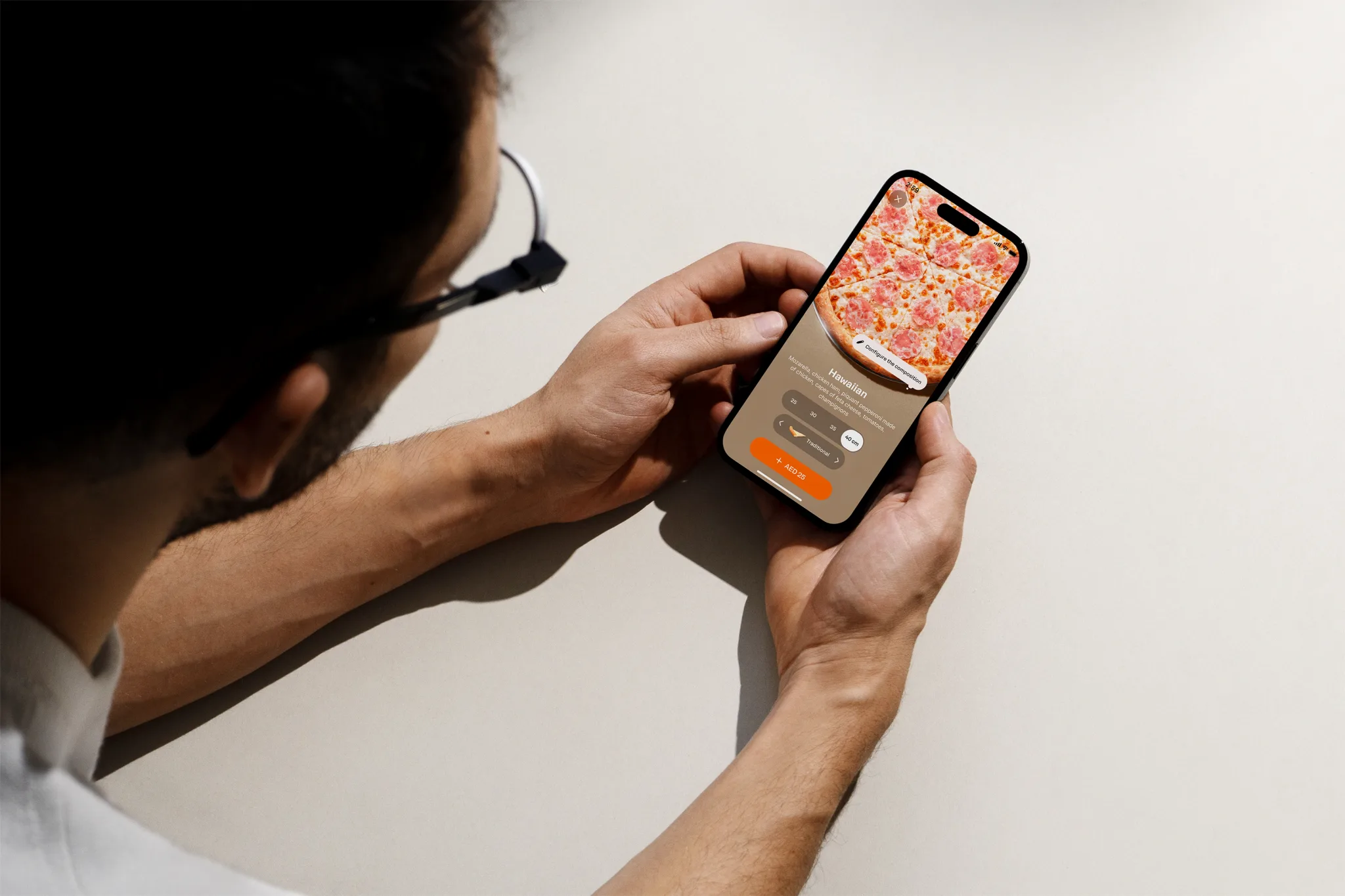
The app’s main goal is to grow brands’ active customer base. So when a food service company creates an app it should focus on product metrics such as conversion rates, customer retention, frequency of orders, and average check size. In addition, a company needs to improve its customer experience with recommendations, engage customers in loyalty programs, and incorporate emotional or gamification elements.
In other words, a QSR mobile app is not just a tool for ordering—it’s a restaurant loyalty app designed to increase engagement and retention.
5 Key Benefits of a Branded Restaurant App
Building your own platform may seem resource-intensive, but the long-term restaurant app benefits are undeniable:
- Direct customer relationships: you own the data, not the aggregator.
- Higher retention rates: loyalty programs and gamification drive repeat orders.
- Increased average check size: personalized offers boost spending.
- Seamless customer journey: integration of mobile ordering system with in-store visits.
- Brand immersion: an app connects users emotionally with the brand. According to Deloitte, around 60% of customers see personalization as essential—proving that the field is full of untapped potential.
How Dodo Builds Its Restaurant App
At Dodo Pizza, the product team uses a design-driven approach to go beyond standard mobile ordering systems.
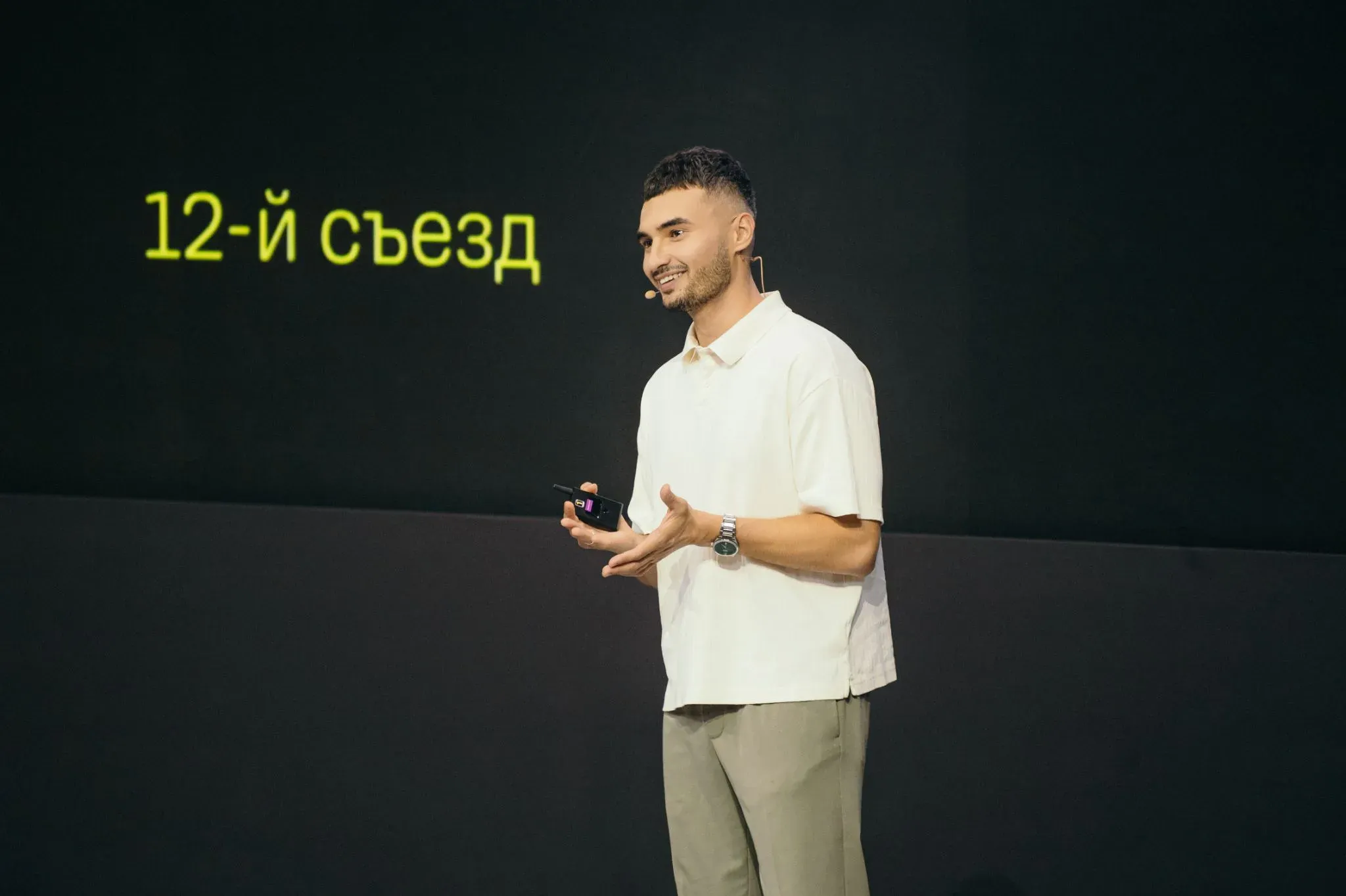
George Shaginyan, Head of Mobile at Dodo Pizza, explains:
“We aim to create the most innovative food-tech app. It’s not just a tool for ordering; it’s a place where the customer feels cared for. We use personalization to make the app convenient and interesting for each user. The seamless experience allows customers to easily switch between online orders and visiting offline restaurants, all synced through our Dodo IS system. Our app features an emotional design: it’s not only functional but also enjoyable to interact with, with interactive animations and illustrations. We add entertainment elements and gamification to capture attention and make ordering fun.”
By focusing on personalization and emotional design, Dodo is showing the future of restaurant loyalty apps: platforms that don’t just process transactions but build communities of loyal customers.
ROI of Building a QSR Mobile App
Some operators may ask: what is the cost to build a restaurant app, and is it worth it?
While development requires focus and resources, the return comes in the form of:
- Lower dependency on aggregators
- Reduced commission fees
- Long-term increase in customer lifetime value Most importantly, an app gives QSR chains control over their own growth strategy. For brands competing in today’s intense food-tech landscape, that control is priceless.
Conclusion: Apps as Growth Engines for QSR Chains
In today’s crowded market, relying solely on aggregators is risky. Building a QSR mobile app is an investment in customer loyalty, long-term growth, and brand equity.
As Dodo Brands demonstrates, when done right, a branded restaurant loyalty app becomes more than a tool—it’s a competitive advantage that makes customers stay, order more often, and engage more deeply with the brand.
Author

Anush Dolukhanyan
Editor-in-Chief