What Are Master Franchise Opportunities? Guide for Investors in 2026

What Are Master Franchise Opportunities?
Master franchise opportunities are among the most powerful formats in modern franchising, combining proven business models with the potential for large-scale growth. Unlike smaller franchises, a master franchisee develops an entire territory, opening outlets and supporting regional expansion of brands into new markets. This creates unique opportunities for entrepreneurs who want more than just running a unit—they want to act as a true master in their area.
In today’s foodservice industry, where QSR, bakery, and restaurant brands are scaling fast across Europe and other global regions, a master franchise represents not just a local venture but an international investment. By securing rights to a defined area, investors can become key partners in development, benefitting from the franchisor’s support while building a profitable business of their own.
Master franchise vs. multi-unit franchise: Key differences
Multi-unit franchisees operate several outlets directly, focusing on day-to-day service and relying heavily on the franchisor for marketing, training, and strategic programs.
Master franchisees, on the other hand, manage broader franchise operations. They develop new markets, sign agreements with sub-franchisees, and adapt brands to local demand. This format requires higher upfront investment but provides diversified revenue streams and a leadership role in regional growth.
| Master franchise | Multi-unit franchise |
|---|---|
| Operates own outlets and recruits/supports sub-franchisees | Operates several outlets directly |
| Acts as a “regional franchisor” with authority in the market | Functions under direct franchisor supervision |
| Earns from own outlets plus royalties/fees from sub-franchisees | Earns only from sales of own outlets |
| Requires significant investment and organizational resources | Lower investment compared to master franchise |
Benefits of becoming a master franchisee
Becoming a master franchisee comes with multiple benefits:
- Reduced involvement for the franchisor. The master franchisee handles recruitment, training, and local operations, allowing the franchisor to focus on global strategy.
- Rapid scaling. Master franchises accelerate market growth, especially in emerging regions where local expertise is critical.
- International reach. Dodo Brands has scaled both Dodo Pizza and Drinkit into new markets through master franchise agreements, adapting to local consumer preferences.
- Proven business model. Investing in a recognized brand reduces risk and increases the probability of success.
- Increased revenue and income. By selling sub-franchises and collecting royalties, master franchisees can generate multiple revenue streams. Despite these advantages, master franchise ownership is complex and requires careful partner selection, legal diligence, and strong operational capabilities.
Best Master Franchise Investments in 2026
The franchising landscape is evolving quickly, and investors are increasingly looking for master franchise opportunities that offer more than simply running a few outlets. In 2026, the strongest opportunities are concentrated in foodservice segments that show consistent growth and strong consumer demand.
Key areas to watch include:
- QSR (quick service restaurants)—scalable brands with proven business models and fast payback, making them attractive franchise investments.
- Bakery and café franchises—concepts with broad cultural appeal that can succeed in Europe, the Middle East, and Asia.
- Emerging markets foodservice—regions with a growing middle class and strong appetite for international franchises and new brands. For investors, success in 2026 depends not only on choosing the right sector but also on partnering with the right franchisor, reviewing clear disclosure documents, and securing strong operational support. These factors determine which projects become the best investments and deliver sustainable long-term profitability.
Top European QSR brands expanding globally
The QSR sector remains one of the strongest drivers of modern franchising, as these brands combine fast growth, proven business models, and strong adaptability to new markets. In 2026, investors are paying close attention to master franchise opportunities in networks that are not just successful locally but also demonstrate consistent international expansion.
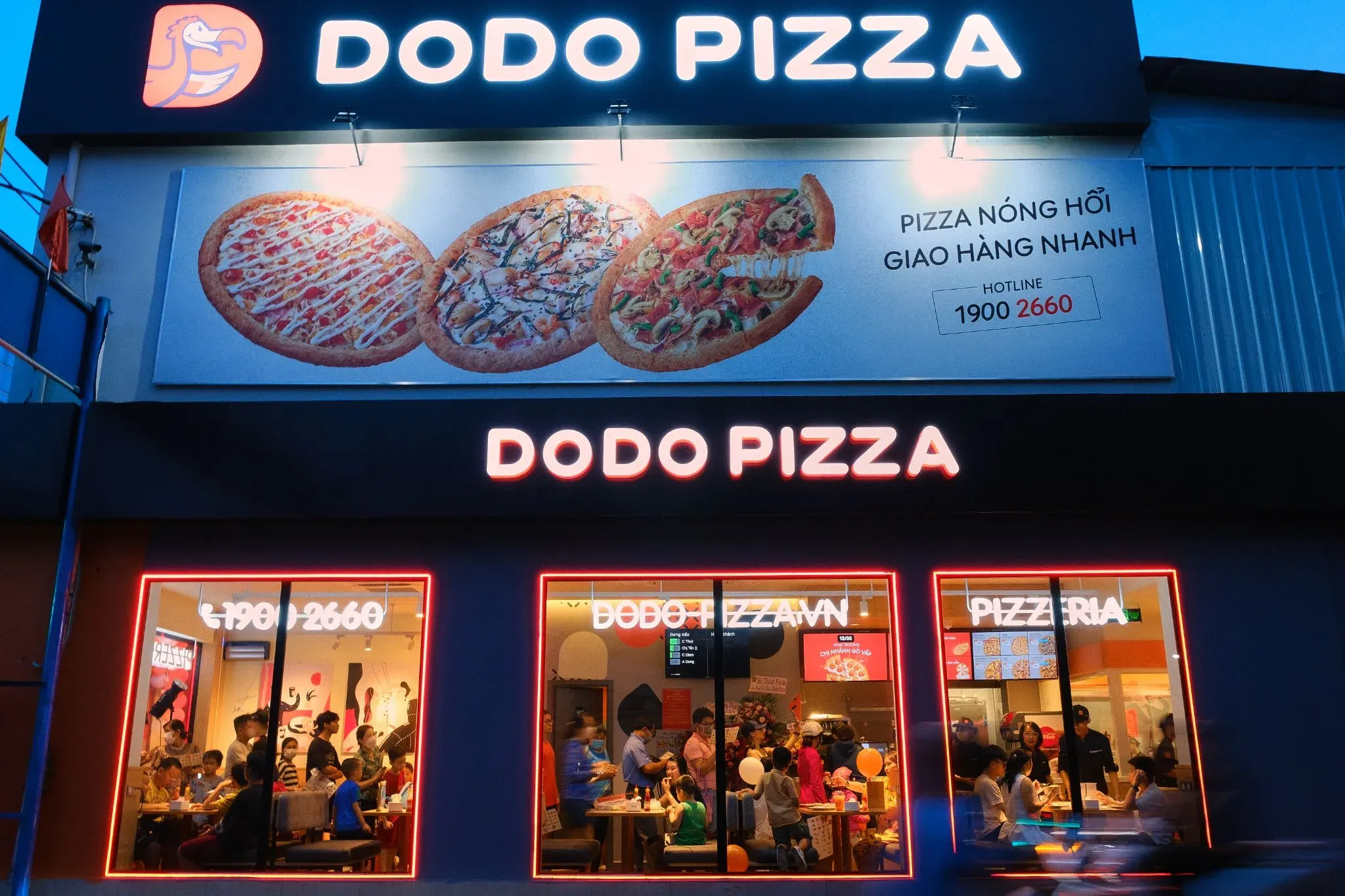
A leading example is Dodo Pizza, part of Dodo Brands. This fast-growing restaurant chain has already established a presence in several European countries: Romania, Spain, Slovenia, Serbia, Croatia, Cyprus, and Bulgaria. Such wide coverage shows that franchisees can successfully scale the brand across diverse cultural and economic environments.
Dodo Pizza stands out with its digital-first business model, strong operational support from the franchisor, and a foodservice format that resonates with consumers worldwide. For investors, it offers a reliable entry into international markets and a chance to become part of one of the most dynamic European franchises today.
Leading European bakery franchises for international growth
The bakery and café segment is one of the most attractive in international franchising. Its success comes from several factors: universal consumer love for bread, pastries, and coffee; strong margins; and the ability to achieve cultural adaptation across different markets.
European brands in this category have already proven their popularity—from artisan breads to modern café formats with innovative service. Through master franchise opportunities, these franchises are expanding into emerging regions such as Asia, the Middle East, and North America.
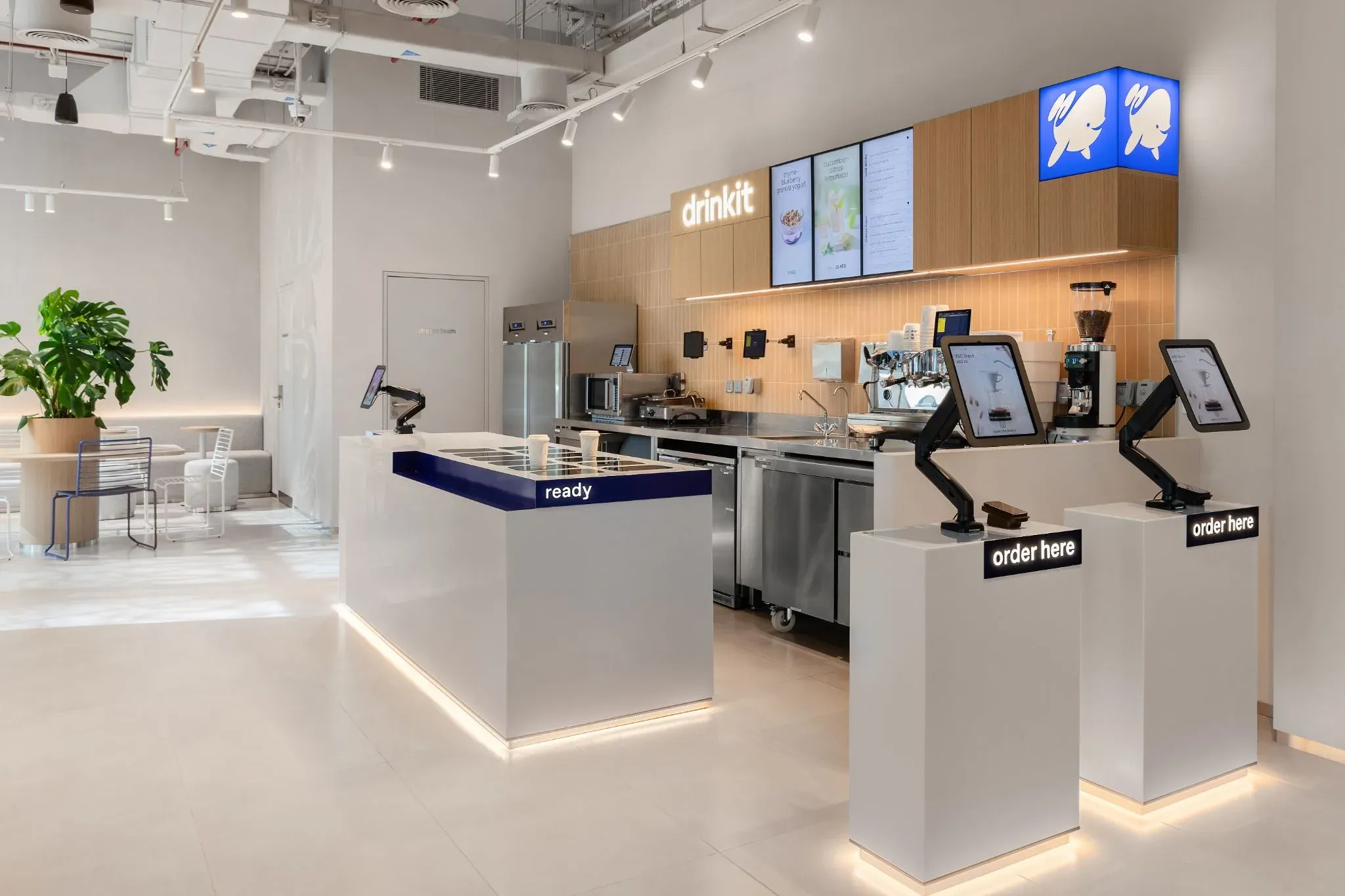
A standout example is Drinkit from Dodo Brands. This digital-first coffee brand uses a cashierless format designed for global development and easy scalability. For investors, Drinkit is more than just coffee—it represents a tech-driven foodservice solution aligned with industry trends, offering high-potential international investments and sustainable growth.
Emerging Markets for Foodservice Franchises
Emerging markets are becoming the most promising arena for new master franchise opportunities. In regions with fast economic growth and a rising middle class, demand for international brands and franchises continues to accelerate. Here, the foodservice industry is surging faster than in mature economies, and consumer habits toward global restaurant formats are forming rapidly.
For investors, this means access to new territories with high long-term potential. Key regions include:
- Middle East—dynamic economies and consumers eager for international food concepts.
- Asia—vast markets with young populations and rapid urbanization.
- Eastern Europe—attractive franchising opportunities for European brands with easier cultural and logistical adaptation. Choosing the right franchisor, building a strong regional strategy, and focusing on cultural adaptation enable franchisees to establish a profitable presence and secure sustainable business in these high-potential markets.
High-potential regions for European F&B brands
Several regions stand out as especially attractive for master franchise opportunities, thanks to rapid economic growth, young populations, and increasing interest in international foodservice brands.
- Middle East—one of the most promising franchising regions. With a fast-growing middle class and strong appetite for global restaurant formats, it is a strategic focus area. Dodo Pizza is already present in the UAE and Qatar, with new pizzerias planned in Morocco and Iraq.
- Asia—a vast market with billions of potential consumers, where proper cultural adaptation is the key to long-term success.
- Eastern Europe—a region where it is easier to adapt products and formats while building logistics and strong partnerships. Cultural adaptation strategies for Asian markets
Successful entry into Asian markets often requires menu and service adaptations. For instance, European pizza or bakery brands may modify flavors, portion sizes, or service styles to meet local expectations. Effective cultural adaptation is critical for brand acceptance and long-term profitability in emerging markets.
How to Become a Master Franchisee
Before diving into the detailed steps, it’s important to understand that becoming a master franchisee requires more than just financial resources.
Steps to secure a master franchise agreement
Becoming a master franchisee involves several key steps:
- Market research: evaluation of target regions for consumer demand, competitive landscape, and regulatory environment.
- Brand selection: identification of European or global franchises with strong performance, growth potential, and international appeal.
- Negotiation: discussing territory size, fees, royalties, and operational support with the franchisor.
- Agreement signing: securing a master franchise agreement and reviewing all legal and financial obligations. Master franchisees often invest significantly in advance, sometimes hundreds of thousands of USD, to acquire rights, establish offices, hire staff, and support sub-franchisees.
Evaluating franchise disclosure documents
Franchise Disclosure Documents (FDDs) provide essential details about fees, royalties, operational requirements, and legal obligations. Prospective master franchisees must carefully analyze these documents to understand the risk, investment, and support provided by the franchisor. Engaging a franchise attorney is strongly recommended.
International Franchise Expansion Strategies
Expanding a franchise into global markets requires careful planning and a clear understanding of the different licensing models available. Master franchisees must evaluate which structure best aligns with their goals, resources, and the brand’s growth strategy.
Comparing franchise licensing models
Franchisors may offer various licensing models:
- Multi-unit – commitment to operate multiple units, but no right to sell franchises.
- Master franchise – right to operate multiple units and sell sub-franchise. Master franchise agreements are ideal for rapid international expansion, leveraging local knowledge while generating additional revenue streams. Dodo Brands relies heavily on the master franchise model to scale both Dodo Pizza and Drinkit, partnering with strong regional partners to fuel development.
Negotiation tactics for master franchise deals
Successful master franchise agreements rely on careful deal-making. Key points include:
- Territory exclusivity—securing a defined market area to avoid competition.
- Royalty and fee structures—balancing initial investment with ongoing income potential.
- Training and operational support—ensuring the franchisor provides sufficient resources to scale sub-franchisees. Effective consultations enhance profitability and brand consistency.
Protecting Your Franchise Investment
Launching a franchise internationally comes with both opportunities and risks. Before investing, it’s important to understand how to safeguard your brand, operations, and intellectual property, ensuring that your master franchise remains profitable and legally protected.
Intellectual property (IP) protection in global franchising
International expansion exposes franchises to IP risks. Protecting trademarks, recipes, and brand assets is essential. Master franchisees should ensure strong legal protections are in place and franchise agreements clearly define IP rights and responsibilities.
Understanding regional developer programs
Regional developer programs differ from master franchise agreements. Developers commit to opening multiple units themselves but do not sell sub-franchise. These programs offer:
- Exclusivity—reducing market competition.
- Discounted fees—negotiating lower franchise fees for multiple units.
- Reduced royalties—based on volume and strategic commitment. While less complex than master franchise agreements, regional developer programs still require substantial investment and operational expertise.
Conclusion
Master franchise opportunities in 2026 offer significant potential for investors, particularly QSR and bakery brands seeking global expansion. By understanding franchise models, evaluating FDDs, adapting culturally to new markets, and negotiating effectively, aspiring master franchisees can build profitable multi-unit operations while supporting international brand growth.
Careful planning, legal review and cultural adaptation are key strategies to protect investments and maximize returns in the emerging global foodservice market.
Author

Ilya Kholodnov
Head of International Marketing & Sales